Get ready to embark on a flavorful journey as I introduce you to an extraordinary ingredient that has tantalized taste buds for centuries: black vinegar. This dark elixir hailing from the Far East possesses a distinctive flavor profile and an array of culinary possibilities, making it an indispensable addition to your pantry. Join me as we explore the captivating world of black vinegar and unlock its secrets!
Here are the basics of black vinegar:
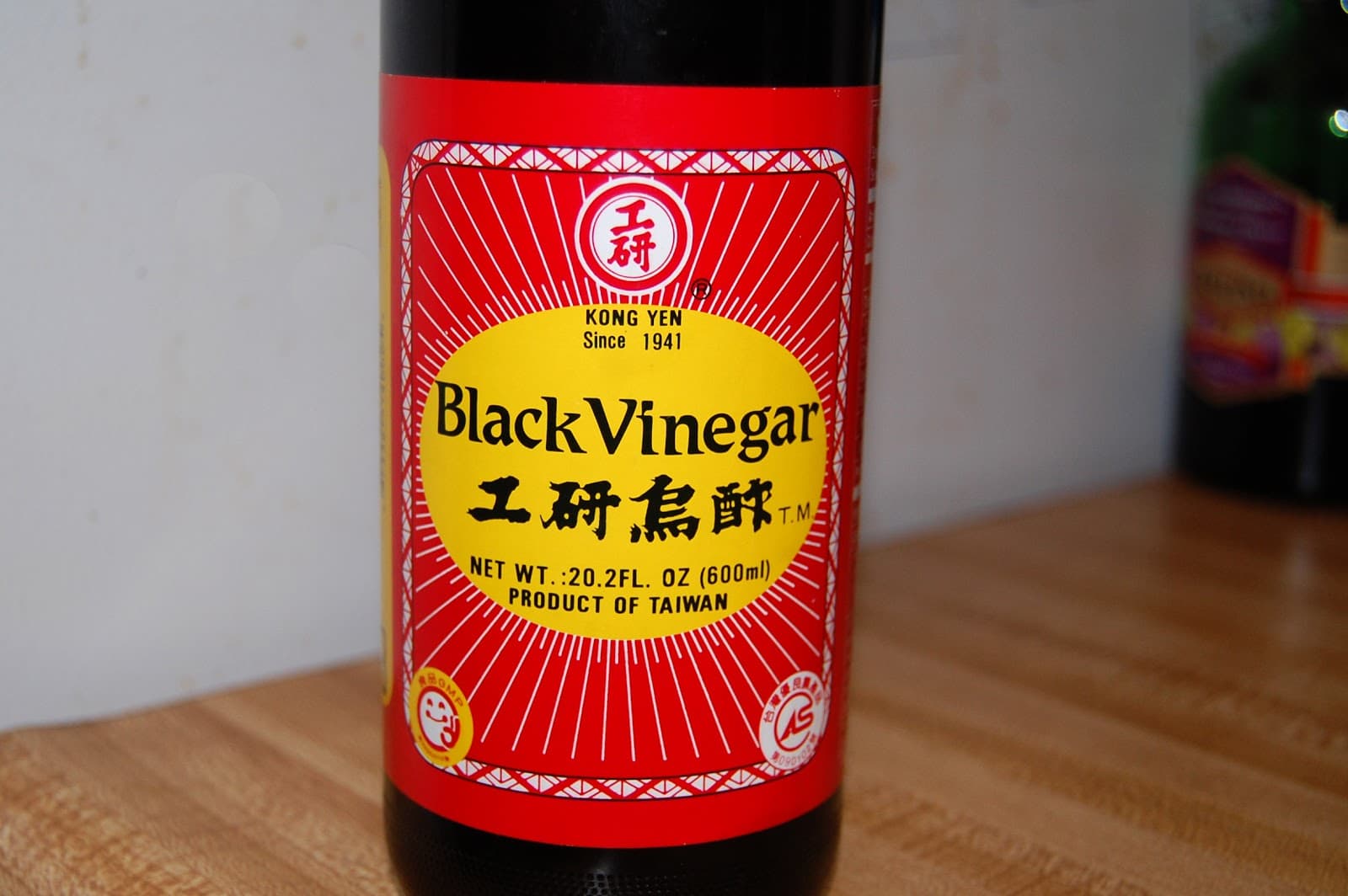
-
Ingredients: Black vinegar is typically made from fermented grains such as rice, wheat, or sorghum. These grains undergo a fermentation process that converts their sugars into alcohol, which is further fermented into acetic acid to create vinegar.
-
Production Process: The production of black vinegar involves several steps, including fermentation and aging. The grains are first cooked and then mixed with a fermentation starter, often including certain strains of bacteria and yeast. The mixture is left to ferment for an extended period, sometimes months or even years. After fermentation, the vinegar is aged in large earthenware pots or barrels, allowing it to develop its unique flavor.
-
Flavor Profile: Black vinegar is known for its well-balanced sweet and sour taste. It has a mellow acidity compared to other vinegars, with subtle sweetness and a hint of smokiness. The flavor can vary slightly depending on the type of grain used and the aging process. Overall, it offers a rich, complex, and slightly tart profile that adds depth to various dishes.
-
Culinary Uses: Black vinegar is a versatile ingredient used in various cuisines, particularly in East Asian cooking. It is often used as a condiment, marinade, or ingredient in dressings, sauces, and stir-fries. It can enhance the flavors of vegetables, meats, and seafood, adding a unique tanginess and umami undertones to dishes.
-
Health Benefits: While black vinegar is primarily used for its culinary purposes, it is also associated with some potential health benefits. It is believed to aid digestion, promote healthy gut bacteria, and provide antioxidant compounds. Some studies suggest that black vinegar may have potential blood sugar-regulating properties as well, although further research is needed.
-
Varieties: The most well-known variety of black vinegar is Chinkiang vinegar, originating from the city of Zhenjiang in China. It is often considered the gold standard and is widely used in Chinese cuisine. Additionally, other regions in Asia produce their own versions of black vinegar, such as Japanese kurozu and Korean black vinegar, each with its own distinct characteristics.
Remember, black vinegar can be a wonderful addition to your culinary repertoire, adding depth and complexity to a wide range of dishes. Its unique flavor profile and potential health benefits make it a fascinating ingredient to explore in your cooking adventures.
Until Next Time… Be Well!
RSN